Plant Passport
Arrowhead Plant
Syngonium podophyllum
LightBright
Water7-10d
PetCheck
PP SYNG ONIU MPOD
Issued 2026 · Valid while cared for
Arrowhead Plant
Pijlpuntplant
Syngonium podophyllum
Also known as Nephthytis podophylla, Syngonium affine
“I start as a tidy desk plant, then quietly reveal I was a vine all along.”
beginner friendlycolorful foliageclimbing vinemedium lightsmall spacetropical
- Light
- Medium light
- Water
- Keep lightly moist
- Pet safety
- Mildly toxic
- This month
- Finish the strongest growth flush with one more light feed. Review support or pruning needs for the climbing shape before tired leaves hide pests Cue: Arrow-shaped juvenile leaves that become lobed as stem.
August care tip
Finish the strongest growth flush with one more light feed. Review support or pruning needs for the climbing shape before tired leaves hide pests Cue: Arrow-shaped juvenile leaves that become lobed as stem.
Quick Care Summary
- Light
- Medium light
- Water
- Keep lightly moist
- Placement
- Medium to bright indirect light. Variegated cultivars need the brighter end of that range.
- Temperature
- 15–30°C
- Humidity
- moderate
Free printable Plant Passport card
Print, cut, and place this Arrowhead Plant card in the pot. Add the physical card if you want the finished version.
Printable card preview
Compare the simple formats before you download the free card or add a finished card above.
Plant Passport
Arrowhead Plant
LightBright
Water7-10d

Botanical stake card
- Format
- 150 x 25mm
- Best for
- Slim plant stakes and gift pots
Use the card section above when you are ready to download or add a printed card.
Protect the printed card
Waterproof badge holders keep the free printable card readable through every watering.
View holders →Detailed Care Guide
Watering Method
Water when the top 2-3 cm is dry. Soak evenly, drain fully, and keep the mix lightly moist rather than wet.
Soil Mix
Moist but airy mix: houseplant soil with perlite and a little bark.
Repotting
Repot every 1-2 years in spring. Fast-growing plants may fill small pots in one season.
Pruning
Pinch tips above a node throughout spring and summer to branch the stems and keep compact shape.
Pot Preference
Any pot with drainage. A slightly heavier cover pot helps once vines start climbing.
Fertilizing
Feed every 4 weeks from March to September with half-strength balanced fertilizer. Stop feeding during winter rest.
Draft Sensitivity
Avoid cold draughts and sudden drops below 15 C; leaves yellow quickly when chilled.
Sources consulted
- powo.science.kew.org
- www.aspca.org
- www.rhs.org.uk
Room Placement
Window Direction
East or north window for green forms; east or filtered west for pink and cream cultivars.
Best Room
Desk, shelf, bright bathroom, or kitchen counter with filtered light.
Monthly Care Calendar
Aug (now)
Finish the strongest growth flush with one more light feed. Review support or pruning needs for the climbing shape before tired leaves hide pests Cue: Arrow-shaped juvenile leaves that become lobed as stem.
Sep
Start reducing fertilizer and stretch watering as nights cool. Move Arrowhead Plant closer to bright filtered light before autumn light drops Cue: Arrow-shaped juvenile leaves that become lobed as stem.
Oct
Stop feeding and prepare for heating season. Keep temperature steady and avoid cold drafts Cue: Arrow-shaped juvenile leaves that become lobed as stem.
Nov
Winter risk check: test soil before watering, inspect arrow-shaped juvenile leaves that become lobed as stems mature; often gr, and keep the pot draining freely while growth slows Cue: Arrow-shaped juvenile leaves that become lobed as stem.
Watering Schedule
- Summer
- Every 6 days
- Winter
- Every 10 days
Water when the top 2-3 cm is dry but the lower mix still feels faintly cool.
Common Problems
Propagation
stem cuttings in waterstem cuttings in soileasyspring
Cut below a node with one or two leaves. Root in water or moist mix; warm spring conditions usually produce roots within weeks.
Pests & Diseases
Spider mites
Early signs
Fine webbing and pale speckling, especially on dry windowsills.
Treatment
Rinse leaves and treat weekly with insecticidal soap until new growth is clean.
Fungus gnats
Early signs
Small dark flies around persistently moist soil.
Treatment
Let the surface dry more, use sticky traps, and avoid overwatering.
Buying Tips
Pick a full plant with several growth points. For pink cultivars, choose stable colour on multiple leaves, not one isolated pink leaf.
Frequently Asked Questions
Fun Facts
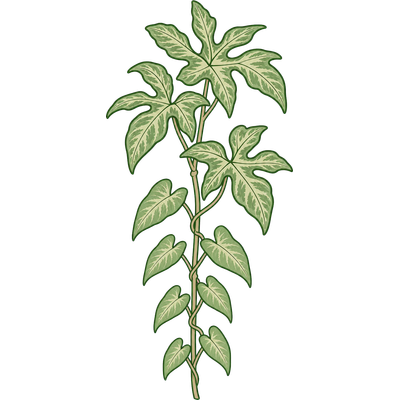
The leaf shape changes with age: the familiar arrowhead is juvenile growth, while mature leaves become divided.
Origin & Natural Habitat
Climbing aroid from tropical Central and South America, starting on the forest floor and climbing toward filtered light.
Plants with similar care
Want cards for more plants?
Move from one free card to a ready-to-use set.